

STORY LINE
PRODUCTION
Joana Hadjithomas and Khalil Joreige
Abbout Productions
PRODUCTION DATE
2000
EDITING AND POST-PRODUCTION
Djinn house Auditorium de l’iesav
CAST & CREW
| CAST | Raja’ Abou Haman, Kifah Afifi, Sonia Baydoun, Soha Bechara, Afif Hammoud, Neeman Nasrallah |
| WORLD SELLER | Ideale Audience Internationale |
| ENGLISH TITLE | Khiam |
| ORIGINAL TITLE | Khiam |
| DIRECTORS | Joana Hadjithomas and Khalil Joreige |
| LENGTH | 52mn |
| BETA DIGITAL | |
| ORIGINAL FORMAT | video Mini DV |
| LANGUAGE FOR DIALOGUES | Arabic |
| SUBTITLES | English or French |
| IMAGE AND SOUND | Joana Hadjithomas and Khalil Joreige |
| EDITING | Michele Tyan |
| SOUND EDITING | Marcello |
| MIXING | Jean Gebran |
DIRECTOR'S NOTES
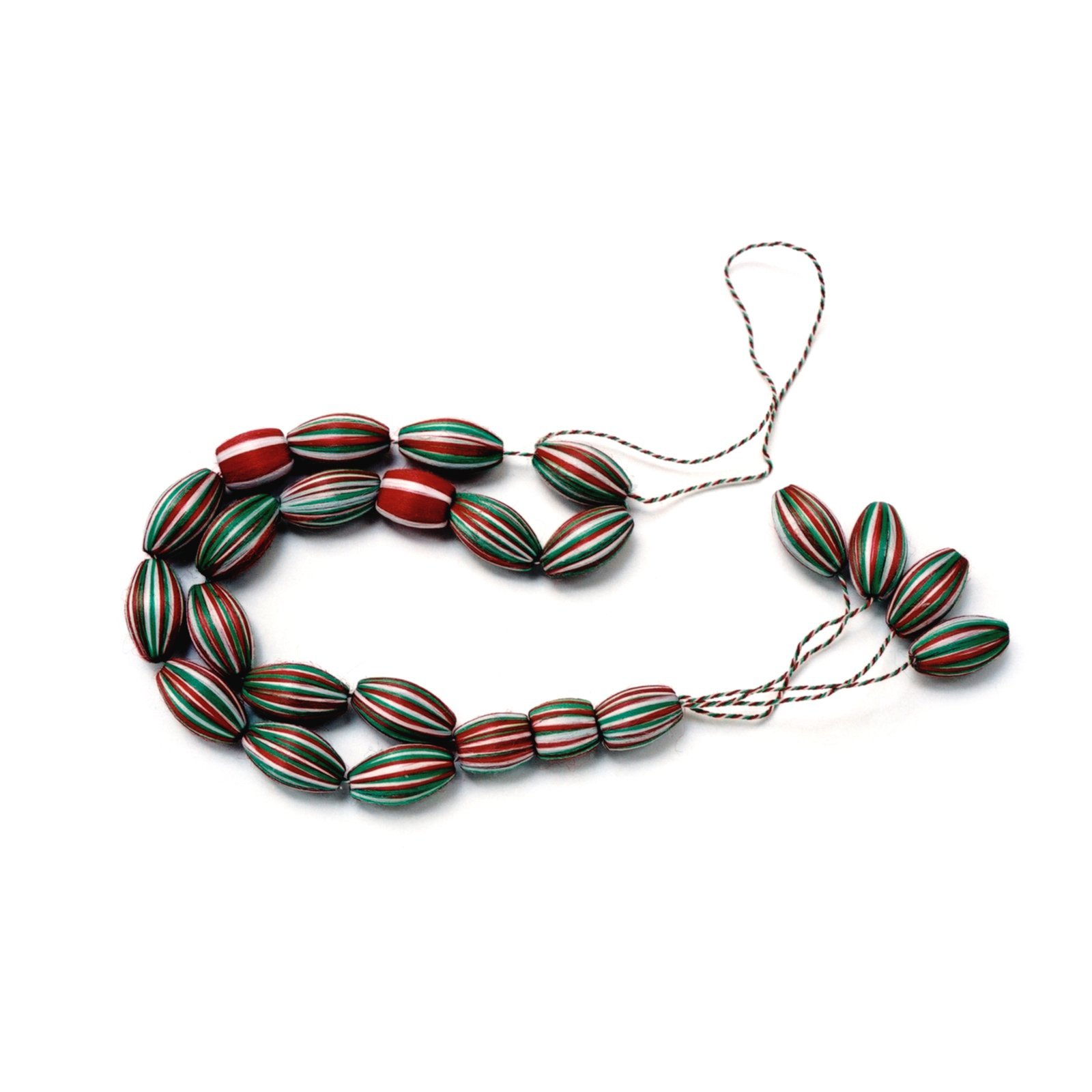
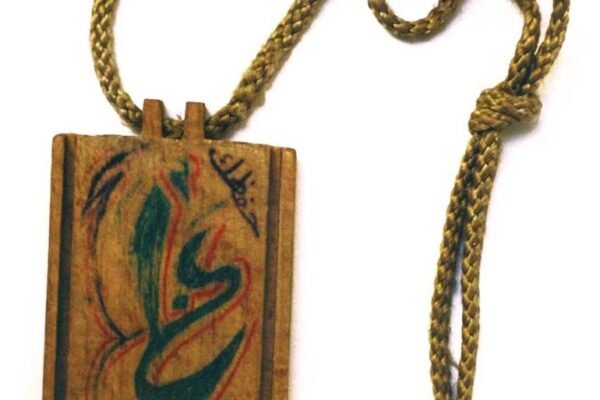
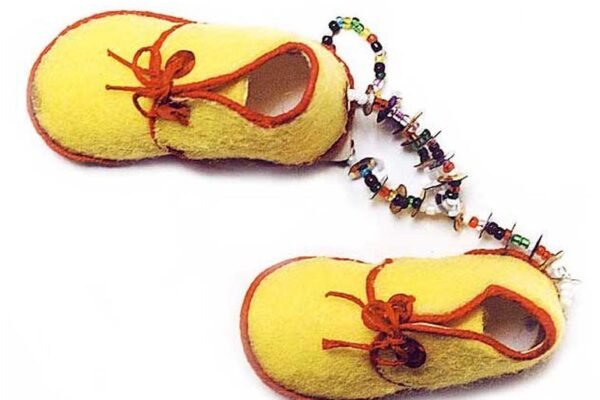
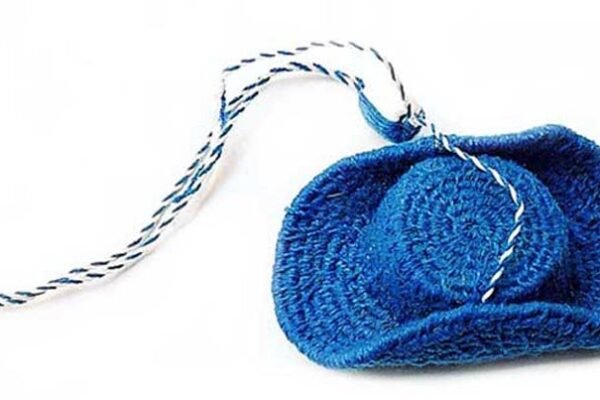
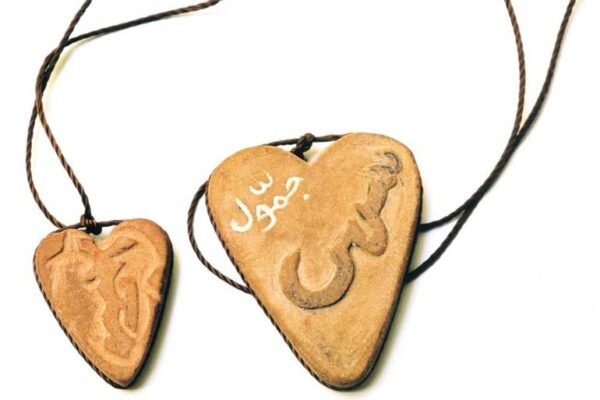
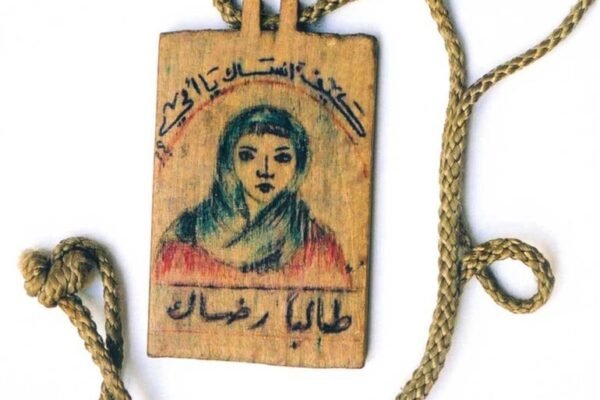
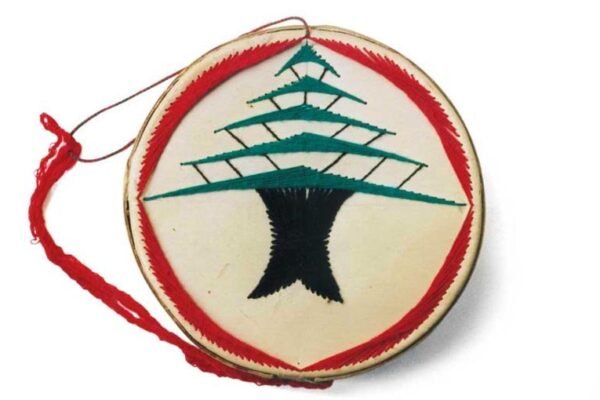
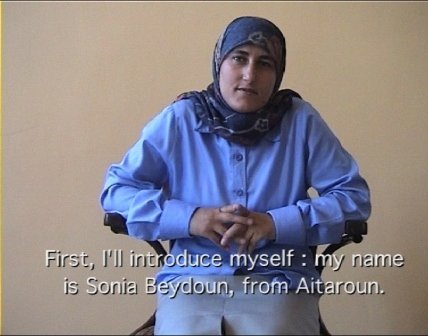
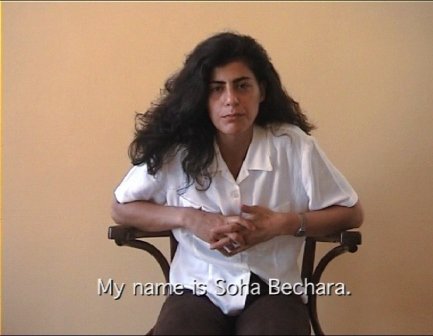
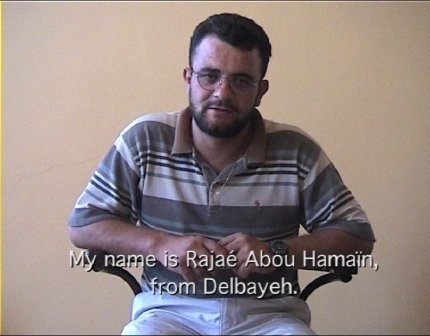
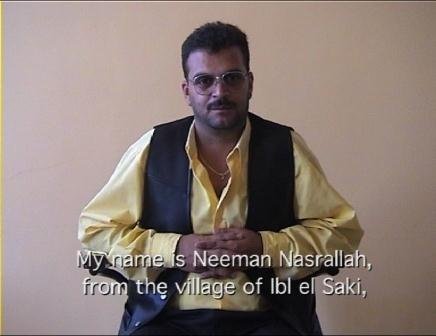
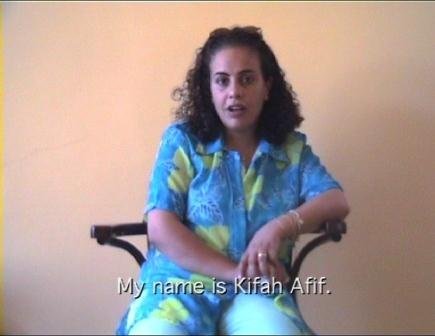
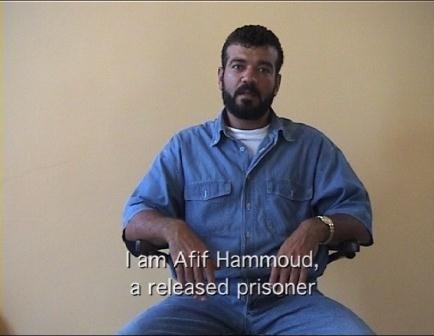
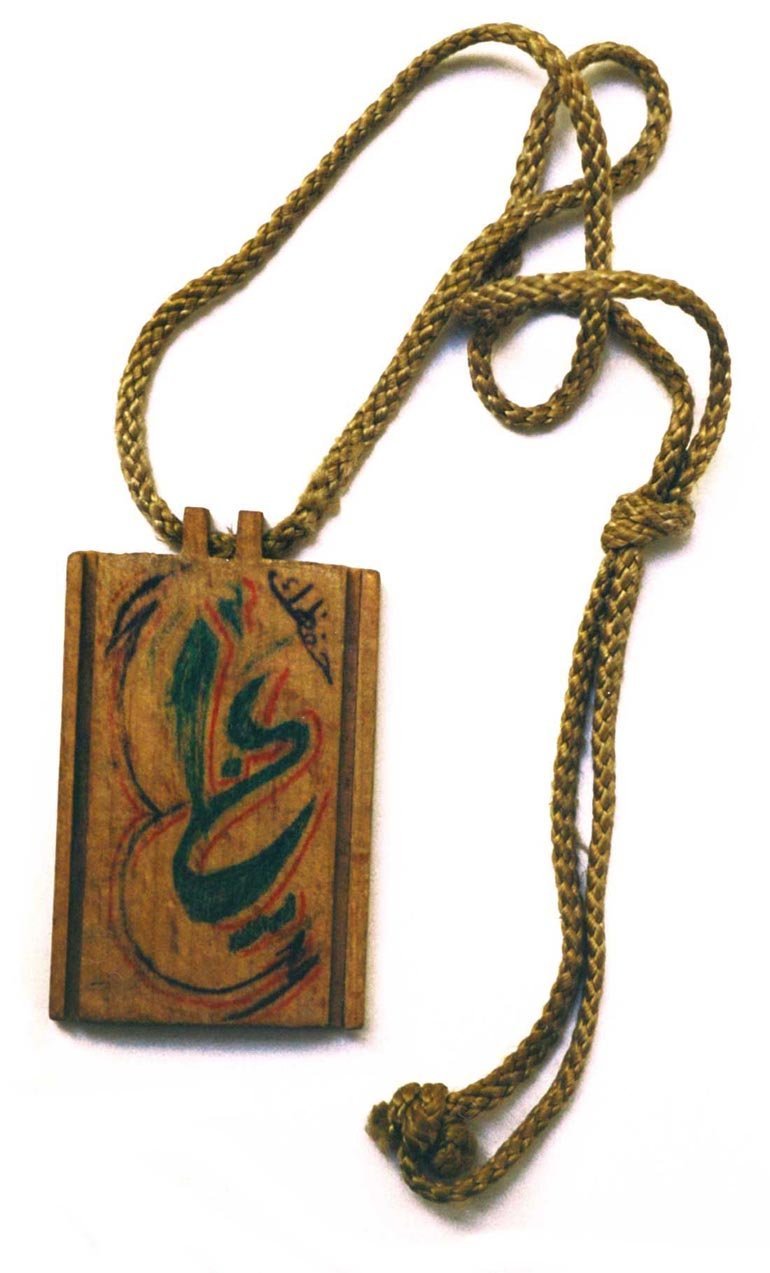
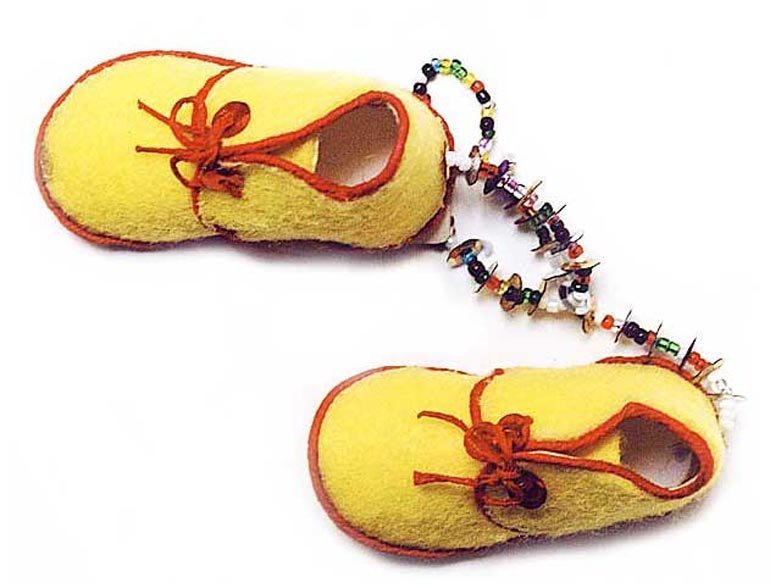
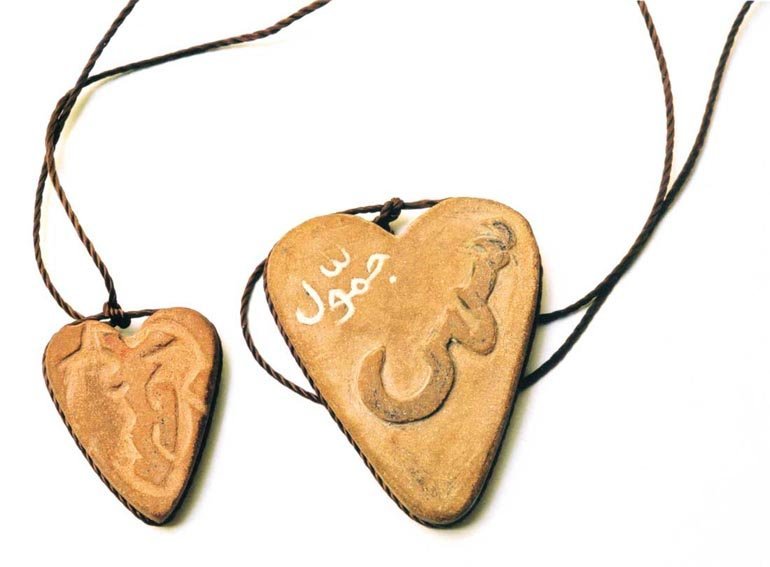
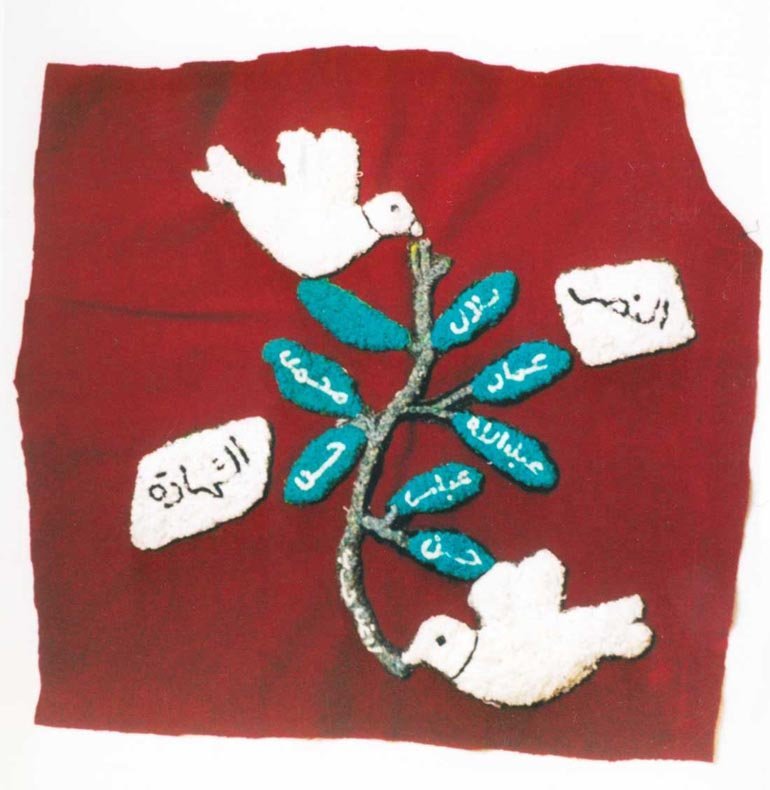
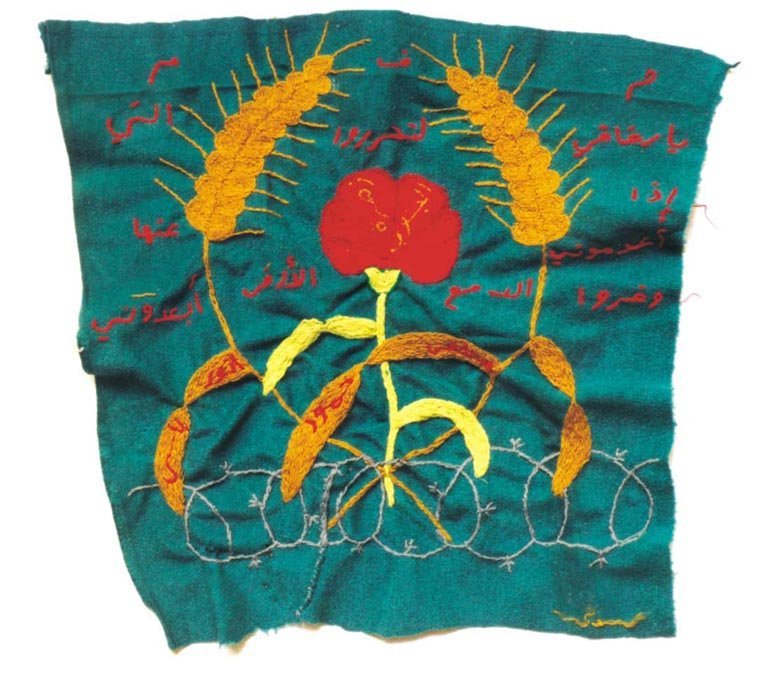
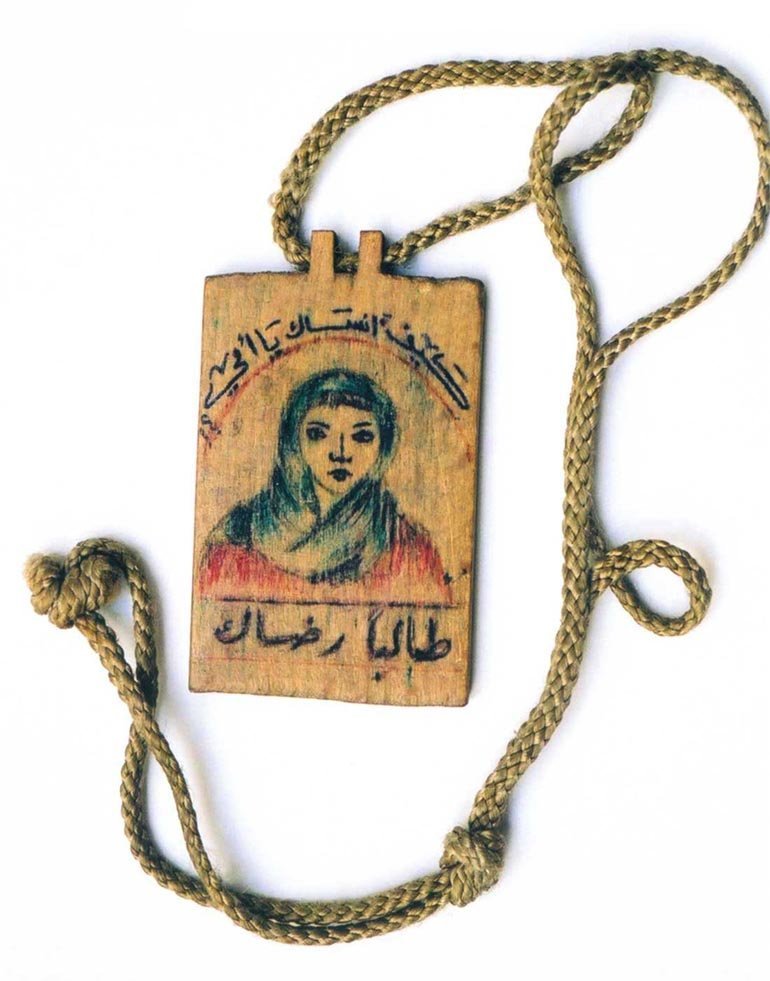
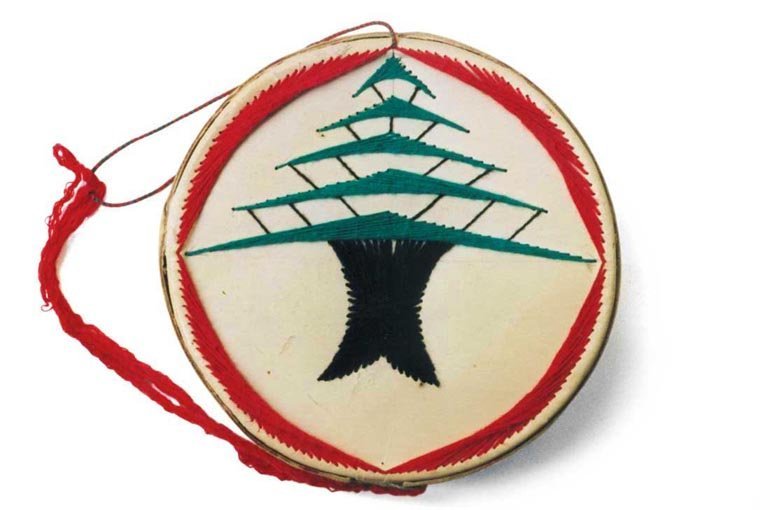
Until the liberation of South Lebanon in May of 2000, it was impossible to go to the Khiam detention camp, run by the South Lebanon Army (SLA), a proxy militia for Israel. We always heard ‘talk’ about this camp, without having seen any images of it.All our information basically came from the testimonies of liberated detainees and the few Red Cross members authorised to enter Khiam. Here was what seemed to be an impossibility of representation.Through the testimonies of six detainees, three men and three women that we interviewed, we were confronted with a raw, yet partial, document acts of ‘speaking’, which lacked an image. In the documentary, the only images that are presented are those of the six detainees who take turns speaking. The images of the camp are latent.Through the editing, we wait for something to occur. The experience lived by the detainees, their act of speaking, attempts a reconstruction, as meticulous and as detailed as possible, of the camp ai??i?? and of the daily life in such a place: How the camp and the rooms were precisely structured, how they used to live in a 1.8 x 0.8 metre space, what they ate, what they did, how, with only a handful of material, they used to fabricate craft-like objects, clandestine and utilitarian, such as needles, pencils, etc.By being extremely meticulous, and by giving the utmost attention to detail, one attempts to make things exist. The work is a form of experimentation with the narrative, with the way that the image, through the discourse, can slowly construct itself on the principle of evocation. It is evocation that is supposed to compensate for absence.The missing image would then be filled with the image created through the detainees’ act of speech. A sense of urgency prevailed during the shooting of the film which took place a few months before the liberation of South Lebanon and the dismantling of the camp. Following those events, it became possible to go to Khiam and the image, at least the physical presence of the camp, became accessible.In the course of the last war: July-August 2006, the Khiam camp, which had been made into a museum, was completely destroyed, bombed out, there is nothing but ruins. The camp was visible only from May 200O to July 2006.
SCREENINGS
-
- Festivals
-
- Festival International des programmes audiovisuels Biarritz, France 2001
- San Francisco International Film Festival, United States
- Rotterdam International Film Festival, the Netherlands
- Marseille International Documentary Festival
- Carte Blanche, France
- Munich International Documentary Festival, Germany
- Beirut International Film Festival
- Les Rencontres Internationales de Paris, France
- Amiens International Film Festival, France
- Ecrans Documentaires de Gentilly, France
- Festival du Film de Vesoul, France
- London Film Festival, United Kingdom
- Milano International Film Festival, Italy
- Songe d’une nuit DV
- Festival de St Denis, France
- Vancouver International Film Festival, Canada
- Biennale de l’Institut du Monde Arabe Paris, France
- San Francisco Arabic Film Festival, United States
- Carthage International Film Festival, Tunisia
- Video brasil Sao Paulo, Brazil
-
Galleries and Museums
-
- Galerie Nationale du Jeu de Paume (Inventaires contemporains) Paris, France
- Pacific Film Archive Berkeley, United States
- Centre d’art contemporain La Criee Rennes, France
- Photo Cairo, Egypt
- Centre Wallonie-Bruxelles Paris, France
- Ecole Nationale des Beaux Arts Rennes, France
- Galerie INOVA, United States
- Museum Reine Sofie, Spain
- Mosaics de Libano Rio de Janeiro, Brazil
- Never the right time: Experimental media from the Arab world, Club Saw Ottawa, Canada
- Carte blanche FID Marseille, Inauguration of MK2 Bibliothèque Paris, France
- Galerie Tanit Munich, Germany
- Lift theatre London, United Kingdom
- Biennale de Cetinje, Montenegro
- Sequence of Tense, Insa Art Space, Art Council Korea, Alternative Space Pool, Korea