
About
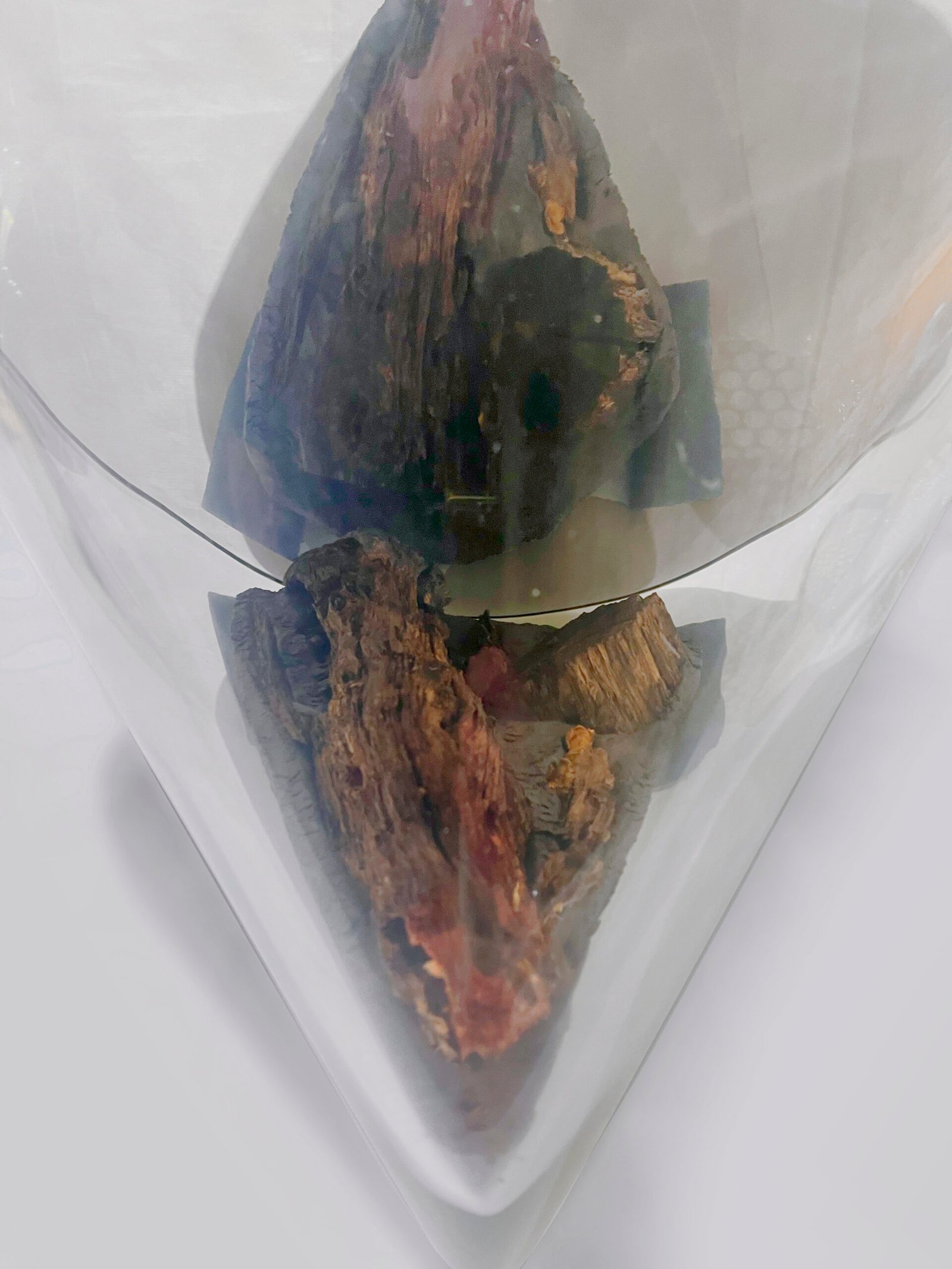
Venetian foundation pile with various pollen types, possible process of anemochory, where grains travel with the wind.
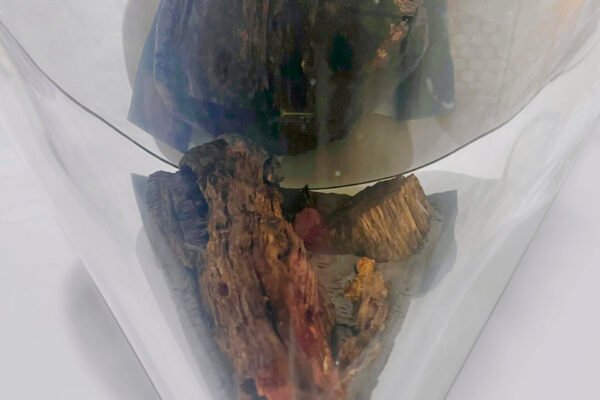
The archaeological scene reveals a broken and desiccated tree trunk emerging from a fine-grained clay deposit. The surrounding sediment suggests a stable depositional environment, periodically affected by fluctuations in humidity. Traces of fungal activity indicate intermittent moisture and shaded conditions, despite overall post-excavation desiccation.
The assemblage most likely corresponds to one of the numerous wooden piles forming the substructure of Venice’s urban fabric. Preserved in the anaerobic conditions of the lagoon, such timbers typically remain stable underground but deteriorate rapidly once exposed to air and climatic variation, as appears to be the case here. The disturbance of the upper deposit may therefore relate to the demolition or removal of a structure, leaving the pile head exposed over time.
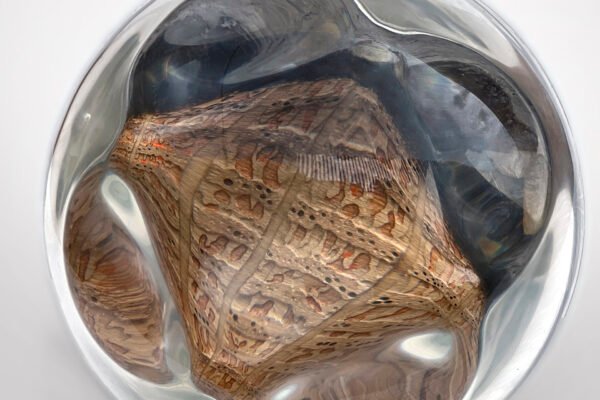
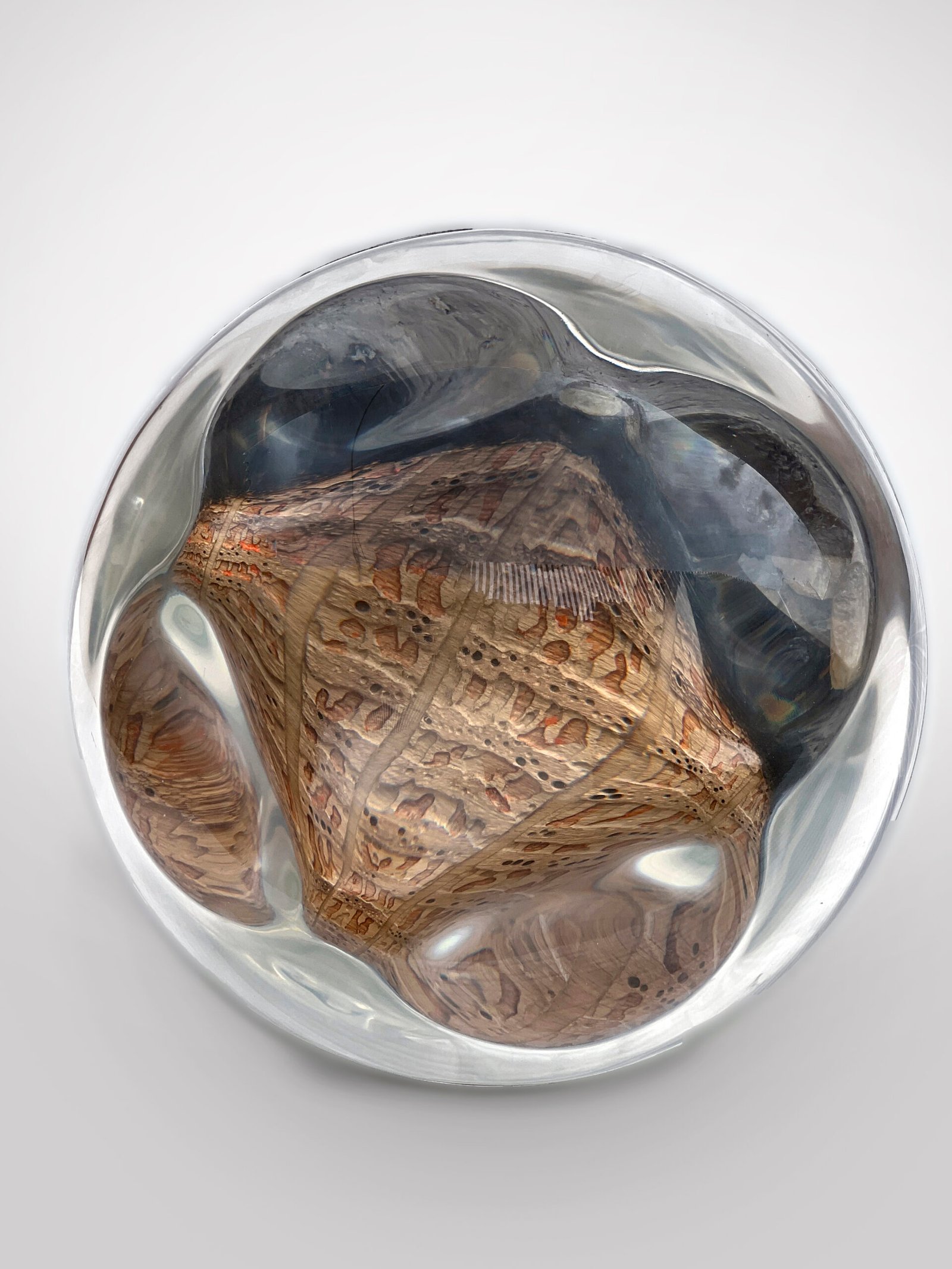
At x80 magnification, the sapwood reveals clearly defined growth rings and vascular rays. These anatomical structures allow for dendrochronological analysis, enabling the dating of the tree’s felling season through comparison with established climatic sequences. This method situates individual wooden elements within a broader environmental chronology extending across millennia.Trapped between wood and sediment, microscopic pollen grains are also visible, suggesting a possible process of anemochory, where grains travel with the wind from greener area to the lagoon.