
About
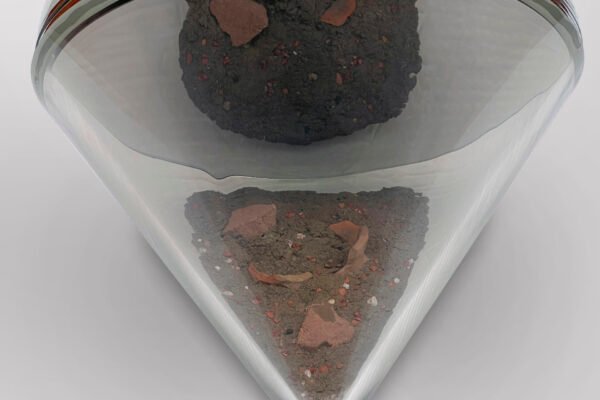
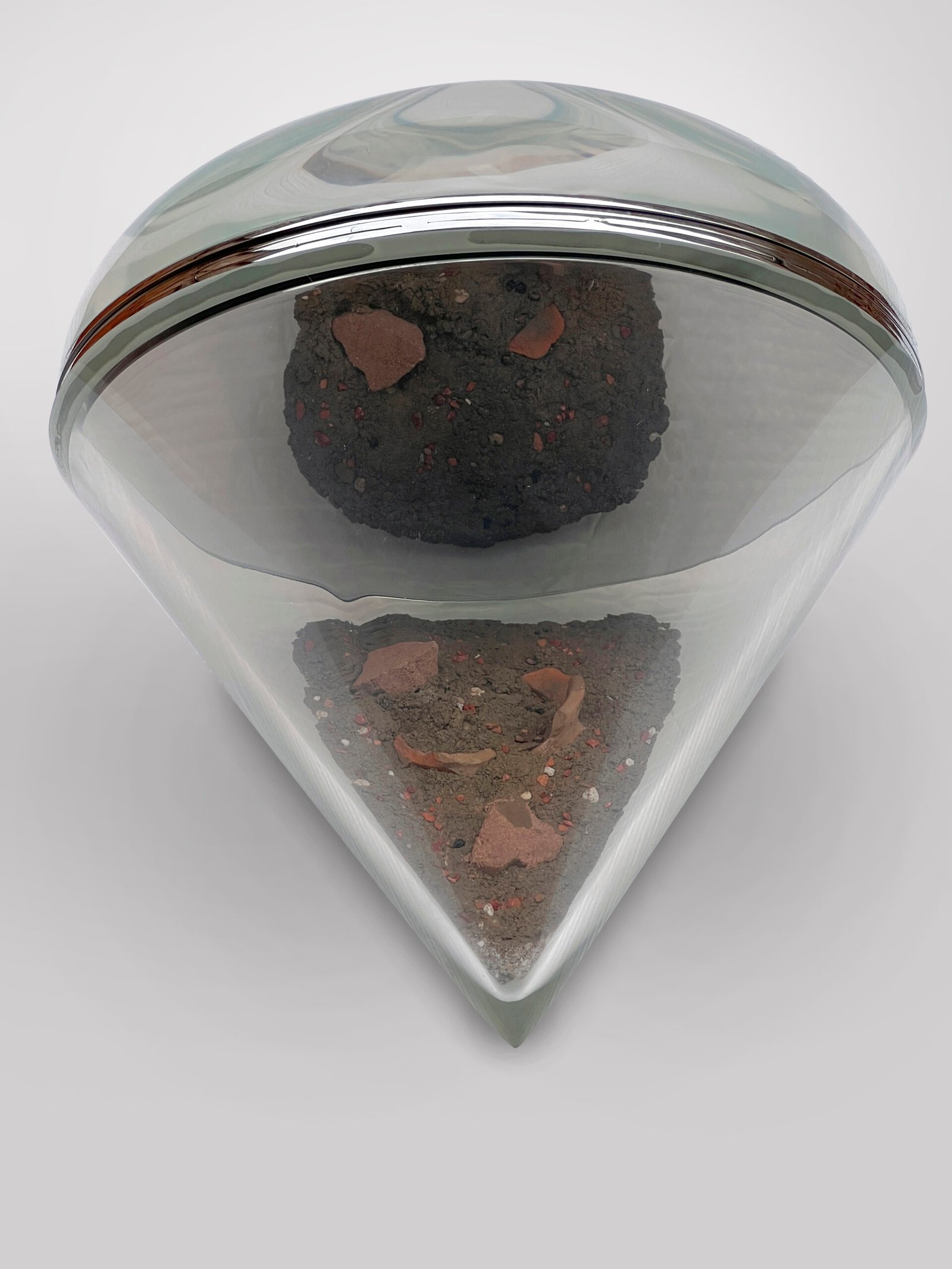
Amphora remains with grape seeds, evidence of medieval viticulture in Venice.
The archaeological context reveals the remains of a broken amphora, represented by a rim and several body sherds, embedded within a brownish soil containing fine lime pebbles and various inclusions. The sediment suggests a clay-rich agricultural environment, likely subject to long-term natural reworking through repeated ploughing.
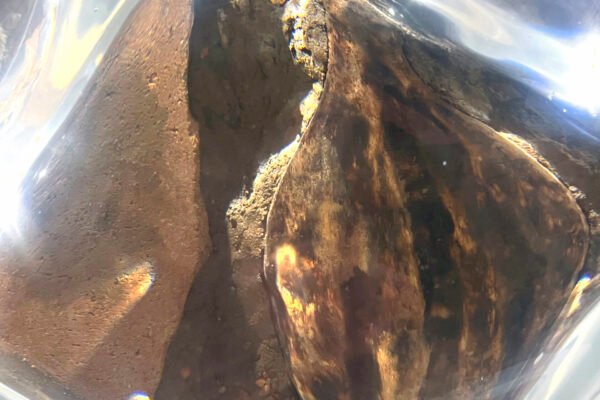
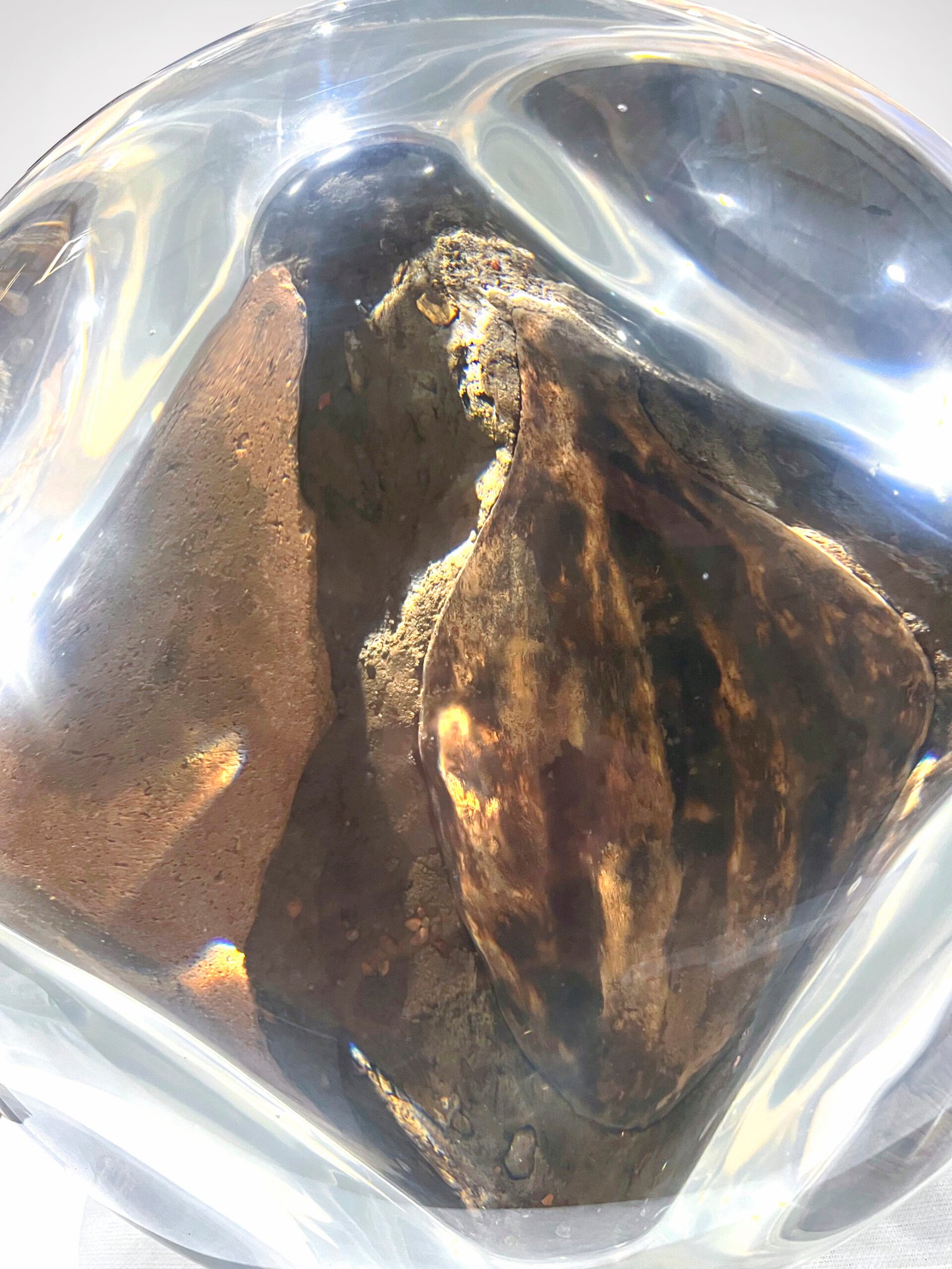
Under magnification (x50), numerous partially carbonised grape seeds appear scattered around the ceramic fragments. Their proximity to the vessel raises the possibility that they were originally contained within it, suggesting the transport or storage of grapes, unfiltered wine, or freshly pressed juice. Such evidence points to domestic consumption practices or to the presence of nearby viticultural and pressing activities.
Given the lagoonal context and a probable dating between the 12th and 13th century CE, the seeds may belong to varieties such as Dorona or Malvasia, both historically associated with Venetian viticulture and salt-resistant cultivation. Venice played a central role in Mediterranean wine trade, acting as a hub for the circulation of robust grape varieties from drier regions such as the Levant.
Beyond local production, the preservation of grape seeds within lagoon sediments highlights the long-term role of Venice in safeguarding agricultural biodiversity, a factor that remains relevant in contemporary studies of viticulture under climatic stress.